
We are Designed to React, Not to Understand
The lack of empathy on social media is normal, but does it have to be?
SOCIAL MEDIACOMMUNICATIONTECHNOLOGYCONNECTIONSOCIETY
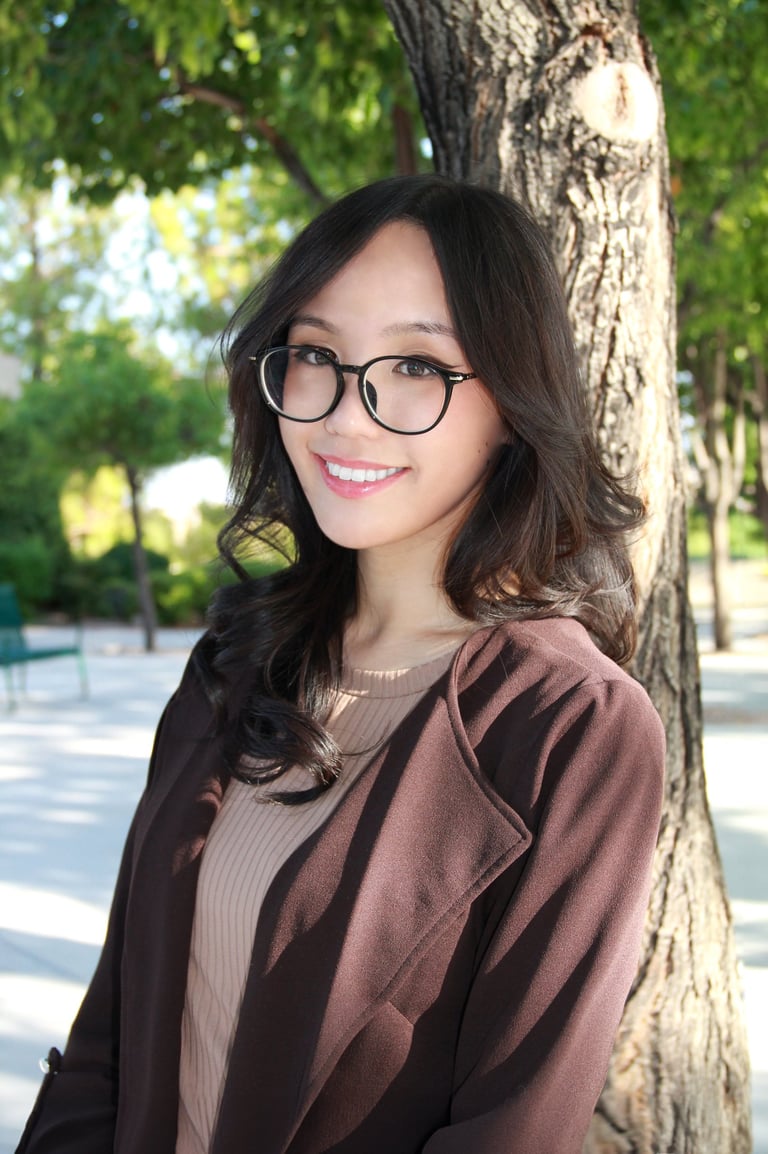
Andrea (“Rea”) Navarro, B.A. in Psychology, RBT, McNair Scholar, Mental Health Researcher
1/30/20263 min read


A woman posts a recording of herself dancing her heart out in her living room and titles it, “This is why I live alone 😂.” Funny, relatable, and straight to the point—it’s a perfect set-up for a viral video. And sure enough, it takes off. A flood of users fill the comment section and the first one reads:
“You should dance your way to a vacuum.”
Casual Cruelty
This is not the first comment, nor the last. Rather than acknowledging the main point of the video, people jumped on the bandwagon of fixating on her living situation as a noteworthy “flaw.”
“You live alone cuz that house dirty”
“Too bad she doesn’t use the same energy to clean…”
Casual Cruelty is not strange to see on social media. Users often rush to judge and copy what other people are doing without taking time to form their own interpretation of the video’s content (Matook et al., 2022). Moreso, this pattern appears to worsen in the context of short-form media like TikTok, where fast-paced videos with little to no context sustain the algorithm.
Community Guidelines
While social media applications created the Community Guidelines, also known as rules designed to enforce a “productive” online environment where we can treat each other with respect, these harmful comments remain.
Why?
For instance, “You should dance your way to a vacuum” is not outwardly aggressive or threatening enough to be flagged and removed by AI moderators. When these AI moderators fail, we turn to the users to report and take them down. Also, users may recognize that they’re mean, but that holds little significance when these comments are also considered our “norm” online.
“So what?”
A frequent question I encounter when raising this issue is “So what?” In my final year as an undergraduate student, I conducted an independent research study examining this social phenomenon in the comment sections of short-form media platforms. Despite instant access to the perspectives of individuals all over the world, our empathy online is lacking (Zaki, 2019).
If empathy can erode in spaces designed to connect people, then understanding how and why is important. What looks like playful or minor acts of cruelty can accumulate into broader patterns of harm. Instead of asking, “so what?”, we should be asking what this kind of behavior costs us and how we can stop this from becoming the standard.
In a world designed to react, the strongest response starts with a pause. Be understanding even when no one is. Empathy starts with you.
➡️ Subscribe to Courage Creatives newsletter to get updates on Rea’s undergraduate research study on empathy online. Questions or comments? Reach out to Rea via Support@couragecreatives.com.
References
Matook, S., Dennis, A. R., & Wang, Y. M. (2022). User comments in social media firestorms: a mixed-method study of purpose, tone, and motivation. Journal of Management Information Systems, 39(3), 673–705. https://doi.org/10.1080/07421222.2022.2096546
Zaki, J. (2019). The war for kindness: Building empathy in a fractured world (pp. 144–167). Crown. Retrieved from https://reader.yuzu.com/books/9780451499264
As a first-generation Filipino scholar, Rea has navigated disability-related and systemic barriers in their pursuit of a Ph.D. in Clinical Psychology. At the onset of the COVID-19 pandemic, Rea was met with supporting themselves independently at 18 years old. Driven to achieve success in spite of these circumstances, they advanced their academic and professional career.
Rea began their clinical journey as a Registered Behavior Technician (RBT) in 2021, providing direct support for children and adolescents (ages 3–18) diagnosed with autism, ADHD, and other neurodevelopmental conditions. Most importantly, they specialized in working across various settings (school, in-home and out in the community) with clients who display aggression or antisocial traits. Now and again, Rea saw how dominant narratives can frame individuals who do not fit the norm as a problem to be “corrected.” This stigma sparked their lifelong goal in their profession: advocating for inclusivity that empowers, rather than overlooks, the lived experiences of people with disabilities.
Today, they serve BIPOC individuals through their internship at The Thought Loft, a mental health clinic based in Nevada, and in their self-employment as a Special Needs Tutor. Rea is also a research assistant at the UNLV CHAMPION Mental Health Lab, producing publications that address health inequities affecting marginalized populations. In parallel, they are conducting an independent research study focused on promoting healthier online environments and creating digital interventions that support mental health in youth.

Digital media and education resources to help you live a successful, integrated life.
REACH US:
© 2024. All rights reserved.


Mailing Address:
3055 St. Rose Parkway #777341 Henderson, NV 89077
Mailing Address:
3055 St. Rose Parkway #777341 Henderson, NV 89077
Mailing Address:
3055 St. Rose Parkway #777341 Henderson, NV 89077
Mailing Address:
3055 St. Rose Parkway #777341 Henderson, NV 89077
© 2024. All rights reserved.
© 2024. All rights reserved.
702-350-1940