Kickstart 2026 with Ancient Chinese Wisdom for the Modern You
It may work better than any of the productivity apps you’ve ever downloaded.
NEW YEARGROWTHPHILOSOPHYMOTIVATIONPERSONAL DEVELOPMENT
Natalie Chan, MS, MBA, CADC-I, MFT-I
1/30/20263 min read


For those who may not know, Confucianism, a Chinese philosophy which emerged around 520 BCE, has shaped East Asian cultural values for over 2,500 years. The gist of its ideology comes from the recorded dialogues between Confucius (孔子) and his students, as they explored life and how to stay grounded instead of spiraling.
Although these teachings are ancient, they have no expiration date.
Let’s dig into these four handpicked, timeless Confucian insights that still hit hard in 2026:
Know Yourself《論語·學而》:「本立而道生。」Quoting from the Learning chapter from The Analects, “Once the core (本) is established, the way (道) unfolds.” (Confucius, 1998)
Goal setting must begin with identifying your values, beliefs, and strengths. It is easy to lose sight of what truly matters, especially when life becomes hectic. We start feeling lost, discouraged, or unmotivated. This is not because we are incapable, but because we have drifted away from our core.
Before you set any new goals for 2026, pause and ask yourself: What is my “本”?
Set SMART Goals《大學》: 「知止而後有定,定而後能靜,靜而後能安,安而後能慮,慮而後能得。」Quoting from The Great Learning, “Know your limits (知止), stay focused (定), remain calm (靜), find your inner peace (安), and think twice before making decisions (慮). You’ll then achieve your goals (得). (Legge, 1960)
No kidding – this might be the earliest version of the SMART framework. Confucianism tells you to stop rushing, stop panicking, stop multitasking, and instead get specific and intentional.
Be prepared《論語·衛靈公》:「工欲善其事,必先利其器。」Quoting from the Duke Ling of Wei chapter in The Analects, “If you want to do something well, get the right tools first (器).” (Confucius, 1998)
You can’t bake a cake without an oven. You can’t run a marathon in flip-flops. You can’t hammer a nail with a screwdriver. And... you definitely can’t achieve your goals without the right tools (器).
Stop setting yourself up for frustration; start gathering “器” that make your path smoother.
Learn Humbly《論語·公冶長》:「敏而好學,不恥下問。」Quoting from the Gongye Chang chapter from The Analects, “Be eager to learn, and never feel ashamed to ask.”
Inspiration can come from anyone, even those you expect to know less. You don’t need to solo your life. Support-seeking is not a sign of incompetence; it is actually a strength. Growth comes from learning with “unflagging efforts” and welcoming others to challenge, teach, and broaden your perspectives. (Yao, 2000, p. 29)
Because even Batman needs Alfred, even Mario needs Luigi, and even Shrek needs Donkey
Cheers to a prosperous 2026 full of ancient wisdom that still works for your modern lifestyle today! May this year bless all your current plans and long-term goals.
Interested in reading more articles like this one? Subscribe to our newsletter today.
References
Confucius. (1998). The Analects (D. C. Lau, Trans.). Penguin Classics. (Original work published ca. 475–221 BCE) [Amazon Link: https://www.amazon.com/Analects-Penguin-Classics-Confucius/dp/0140443487]
Legge, James. (1960). The Chinese Classics with a translation, critical and exegetical notes, prolegomena, and copious indexes. Hong Kong University Press. [E-book for free: https://starlingdb.org/Texts/Students/Legge,%20James/Confucian%20Analects.%20The%20Great%20Learning.%20The%20Doctrine%20of%20the%20Mean%20(1960).pdf]
Yao, X. (2000). An Introduction to Confucianism. Cambridge University Press. [Reading the first chapter for free: https://catdir.loc.gov/catdir/samples/cam032/99021094.pdf]
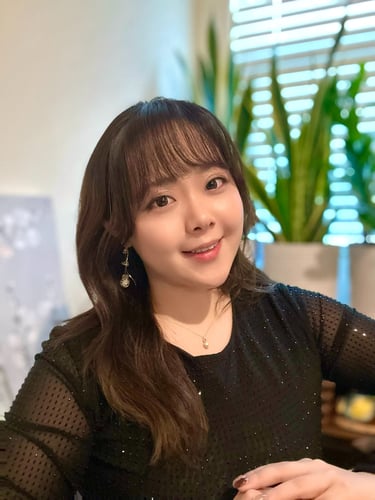
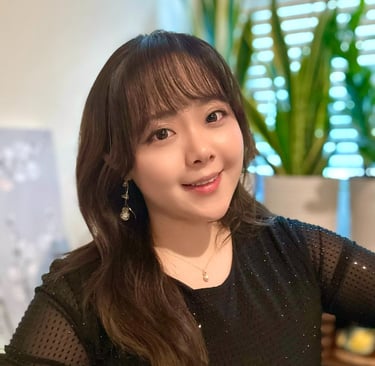
Natalie is a trilingual clinician (English, Cantonese, Mandarin) originally from Hong Kong, China, with a career rooted in advancing recovery and mental wellness across diverse communities. In 2024, she earned her master’s degree in Couple and Marriage Therapy from the UNLV Kirk Kerkorian School of Medicine, received the Clinical Practice Award, and was selected as the student speaker for Winter Commencement.
Her work lives at the intersection of culture, language, and mental health, with a deep commitment to culturally responsive, linguistically competent care – particularly for Chinese American communities. Natalie pioneered Chinese-language services at the UNLV Center for Individual, Couple, and Family Counseling, where she designed relationship workshops tailored for young couples navigating communication challenges.
Guided by a mission-driven philosophy, Natalie co-created the Global Ambassador Program with campus leaders at UNLV to support international students’ cultural adjustment and other adaptation needs. In parallel, she serves as an interpreter and victim advocate, providing assistance to law enforcement and extending her impact into system-level care.
This year, Natalie is bringing this rich clinical and community-based expertise into the organizational wellness space as Courage Creatives’ Lead Consultant. In this role, Natalie is switching gears from therapy into executive coaching and events management where she partners with Courage Creatives in helping leaders build sustainable mental health systems and culturally competent workplaces. Natalie also serves as Co-Chair of Courage Creatives’ Lead Well Mental Health Summit, supporting leaders as they navigate burnout, rising turnover, and psychological safety concerns within their organizations.
Digital media and education resources to help you live a successful, integrated life.
REACH US:
© 2024. All rights reserved.
Mailing Address:
3055 St. Rose Parkway #777341 Henderson, NV 89077
Mailing Address:
3055 St. Rose Parkway #777341 Henderson, NV 89077
Mailing Address:
3055 St. Rose Parkway #777341 Henderson, NV 89077
Mailing Address:
3055 St. Rose Parkway #777341 Henderson, NV 89077
© 2024. All rights reserved.
© 2024. All rights reserved.
702-350-1940